By Maria Cristina Aguilar Cabrera, MD.
Cancer has been a big part of my life. My name is Cristina. I am a medical doctor and a general surgery resident in my home country, Mexico. But long before I ever wore a white coat, I was a child sitting in hospital waiting rooms, trying to understand a world that felt both terrifying and strangely familiar. For my story to make sense, you have to know that my mom was diagnosed with stage III breast cancer when I was 7 years old. From that moment on, the hospital became part of my daily life. Until she died five years later, I was her plus-one at every appointment. I remember the details in fragments: the smell of antiseptic, the long hallways, the quiet tension in waiting rooms. I remember sitting for hours during chemotherapy, talking to other patients, eating cookies, being home school for a couple of months because it was easier, and trying to act like everything was normal. Somewhere in those years, I decided I wanted to become a doctor. It just felt natural. The hospital, in a way, had already become part of who I was. In medical school, cancer quickly became my favorite topic. To me, it was something both familiar and unknown—something that had shaped my life, but that I was only beginning to understand scientifically.
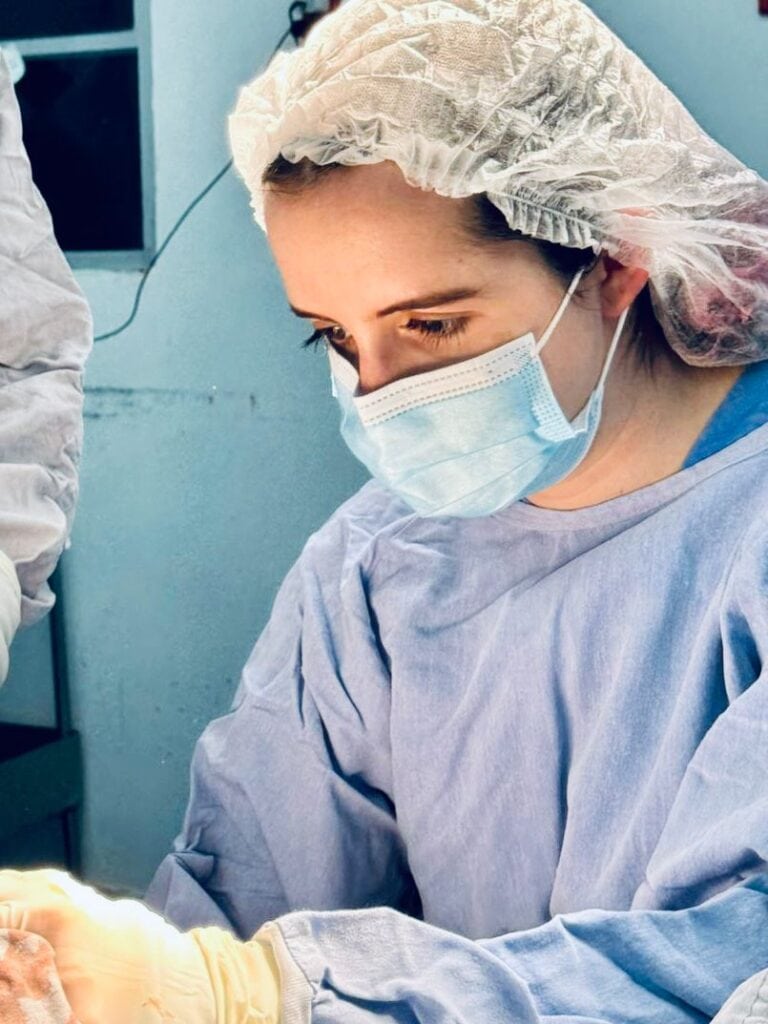
It was scary, but also fascinating. As I learned more, I began to notice a pattern. Breast cancer, skin cancer, prostate cancer—too many cases in my family to ignore. The more I studied, the more I felt that this wasn’t just coincidence. That thought stayed with me throughout the seven years of medical school, quietly but persistently sitting in the back of my mind. I brought it up multiple times. I spoke with attendings, professors, specialists. I told them I suspected there might be a genetic component in my family. But again and again, I was dismissed. One doctor, an OBGYN, told me to worry about it after having children. Another suggested I was overthinking because of my career, that doctor is a genetics specialist. At some point, I started questioning myself. Maybe they were right.But the feeling never fully went away. Finally, someone listened. Someone took me seriously, guided me, and helped me take the next step. I got tested. At 25, I found out I have a BRCA2 mutation. At that time, I was doing a research year at the National Cancer Institute, working on melanoma, and preparing to enter a General Surgery residency. My dream was to become an oncologic surgeon. And in that moment, everything shifted.
What had always been an intellectual interest suddenly became deeply personal again. The line between doctor and patient, something I thought was clearly defined, began to blur. I wish I could say I faced it immediately—but I didn’t. To keep moving forward in my career, I pushed it to the back of my mind. For about three years, I avoided it. I graduated, started a relationship, entered residency, built my life—and ignored the diagnosis that I knew I couldn’t ignore forever. Today, I am 28 years old, in my third year of residency, and becoming a surgeon. I still love oncology, but my perspective has changed. Cancer is no longer just a disease I study or treat—it is something that has shaped my identity in ways I am still learning to understand. This past year, I started asking questions, undergoing tests, and having difficult conversations. I allowed myself to fully confront what my diagnosis means. According to the genetics department at my hospital, given my specific mutation, I have about an 80% lifetime risk of breast cancer. Eighty percent. That number is impossible to ignore. I want to be many things in life. I want to be a surgeon. I want to be a wife. I want to be a mother. And more than anything, I want my children to grow up with their mom—something I didn’t have the chance to experience.
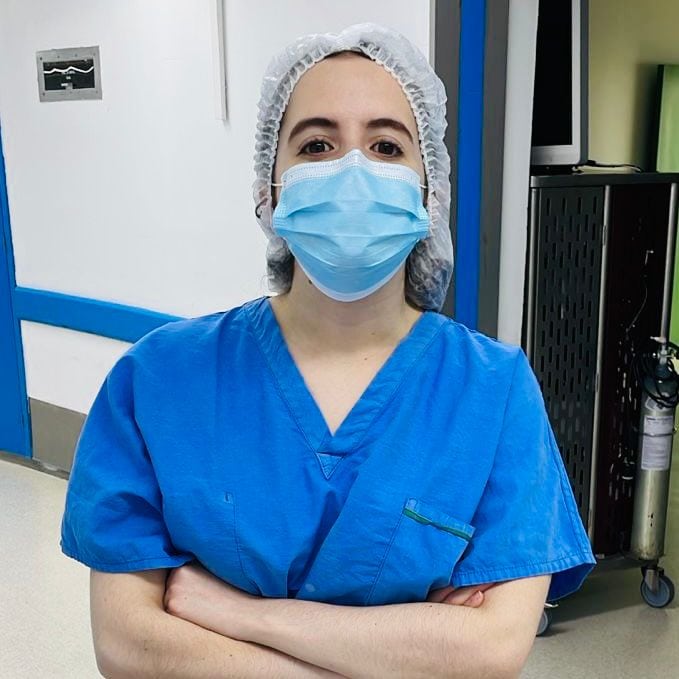
I am the first person in my family to work in healthcare, and the first to get tested. That means I also have the responsibility—and the privilege—of making an informed decision, not just for myself, but for what comes after me. So I made a choice. I am scheduled to undergo a double mastectomy with breast reconstruction this upcoming July. I am terrified—but I am also certain. As a surgeon in training, I understand the procedure. I know the risks, the steps, the complications. I have even been part of similar surgeries. Soon, I will know what it feels like to be on both sides of the table. That dual perspective is something I carry with me every day now. It has changed the way I see my patients. It has made me more aware of their fears, their silence, their strength. It has reminded me that medicine is not just about knowledge—it is about humanity. I am not fearless. I still reschedule appointments sometimes. I still cry, maybe a lot. I still have decisions to make, like the size of my future breasts. But I am moving forward. I am ready to advocate for myself—as a woman, as a patient, and as a future surgeon. I am also ready to advocate for others like me: previvors.
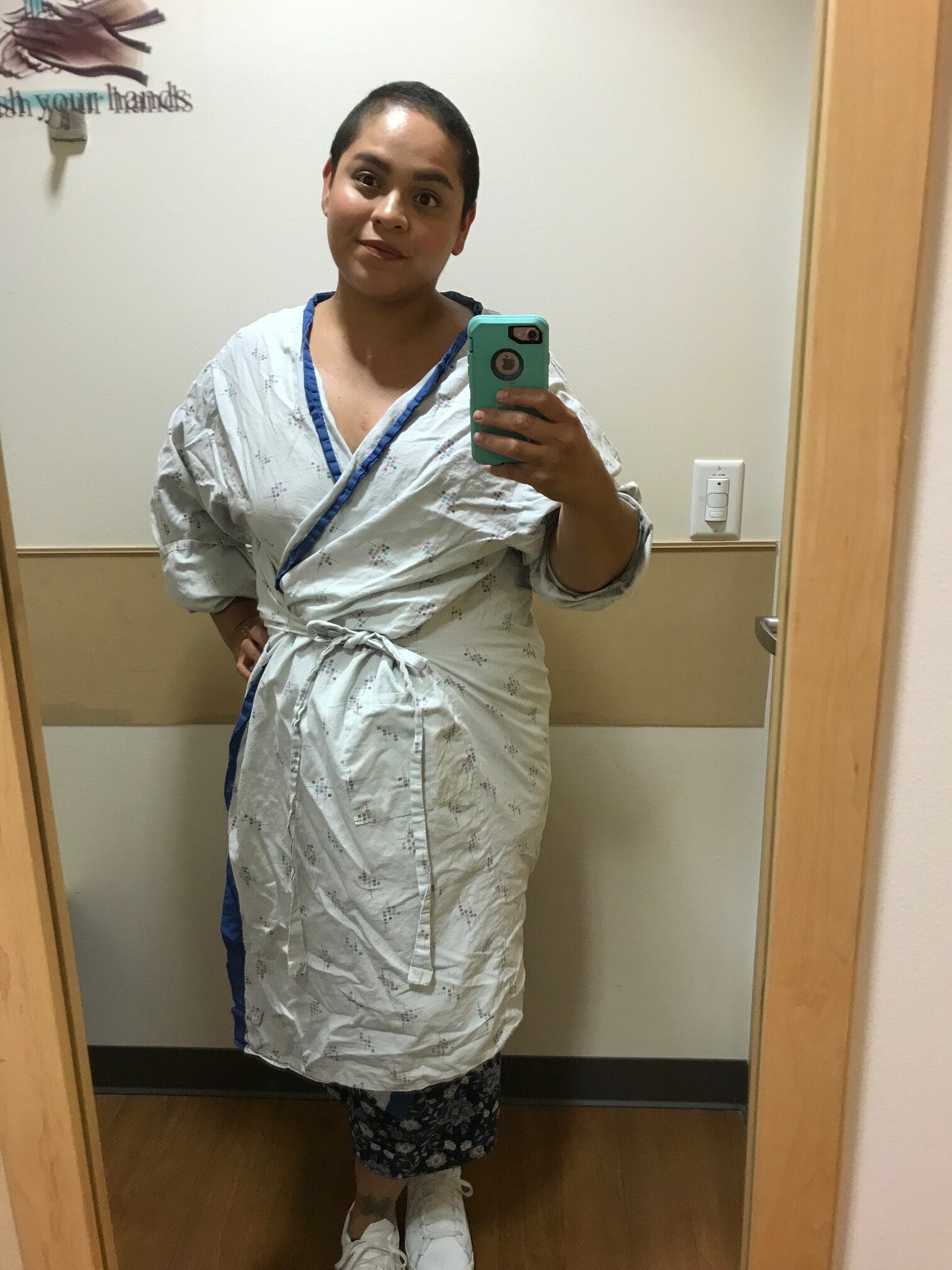
I trust my oncology team, I feel like they’ve always heard me, they gave me many options, and they’ve based my care on how well they knew me. That is why a second opinion seemed like nonsense after my metastatic diagnosis. I felt like I would be cheating on them. At the insistence of my oncologist’s NP, she gave the name of the Chief of the Division of Oncology who specializes in breast cancer at the teaching and research hospital in my state. She was fantastic, tender, and gave me the reassurance I needed. We spent over 2 hours going over my chart and family history. She told me that my team was doing exactly what she would be doing, but she took interest in my genetic testing results. Being diagnosed at 33 is not common, so my doctors recommended that I do genetic screening to determine if this cancer was hereditary. My results were inconclusive, there was a variance of uncertain significance (VUS) in the BRCA2 gene, but no finding suggested that breast cancer was a correlation of that.
Okay, time out! I just want you to know that I’m not a doctor or a genetic specialist. Even though I’m an educated Latinx (MPA and jefa status!), I don’t hold advance degrees in medical or genetic science. So, my explanation is based on my understanding and basic research on the interwebs. I just wanted to put that out there.
/
My second opinion oncologist asked me if she could have the data analyzed by the genetic research specialist at her hospital, and I agreed. She called me about a week later to tell me that the VUS of my BRCA2 gene had been known to have the same traits of BRCA2, which meant that I carried an inherited mutation that could cause cancer, including breast cancer. This was kind of surprising to hear because I had already been tested a year and a half before and no one else in my family has had breast cancer. I know that breast cancer doesn’t discriminate, but in general Latinx people are not considered a high-risk group for breast cancer and there wasn’t that much data to be found about BRCA2 rates in the Latinx community.
There are genetic disparities in the Latinx community because there is little genetic data and studies done for Latinx people. One of the biggest barriers is awareness and access in the Latinx community. (Journal of Genetic Counseling) This totally made sense to me. Both times I received genetic counseling they seemed extremely interested in getting my family to also get genetic testing, at no cost. Which felt weird, because I had some bumps with my own insurance to cover the testing (which they eventually did). These disparities for the Latinx community are not just in genetic counseling. While Latinx people are not considered high risk, breast cancer is the most common diagnosed cancer in Latinx women, it tends to be diagnosed at a later stage, it tends to affect women who are premenopausal (young women), and it has a high mortality rate after diagnosis. My loose interpretation of BRCA VUS is that there are not enough POC of color being tested, being researched, or being educated to determine if are variances are cancer causing or not.
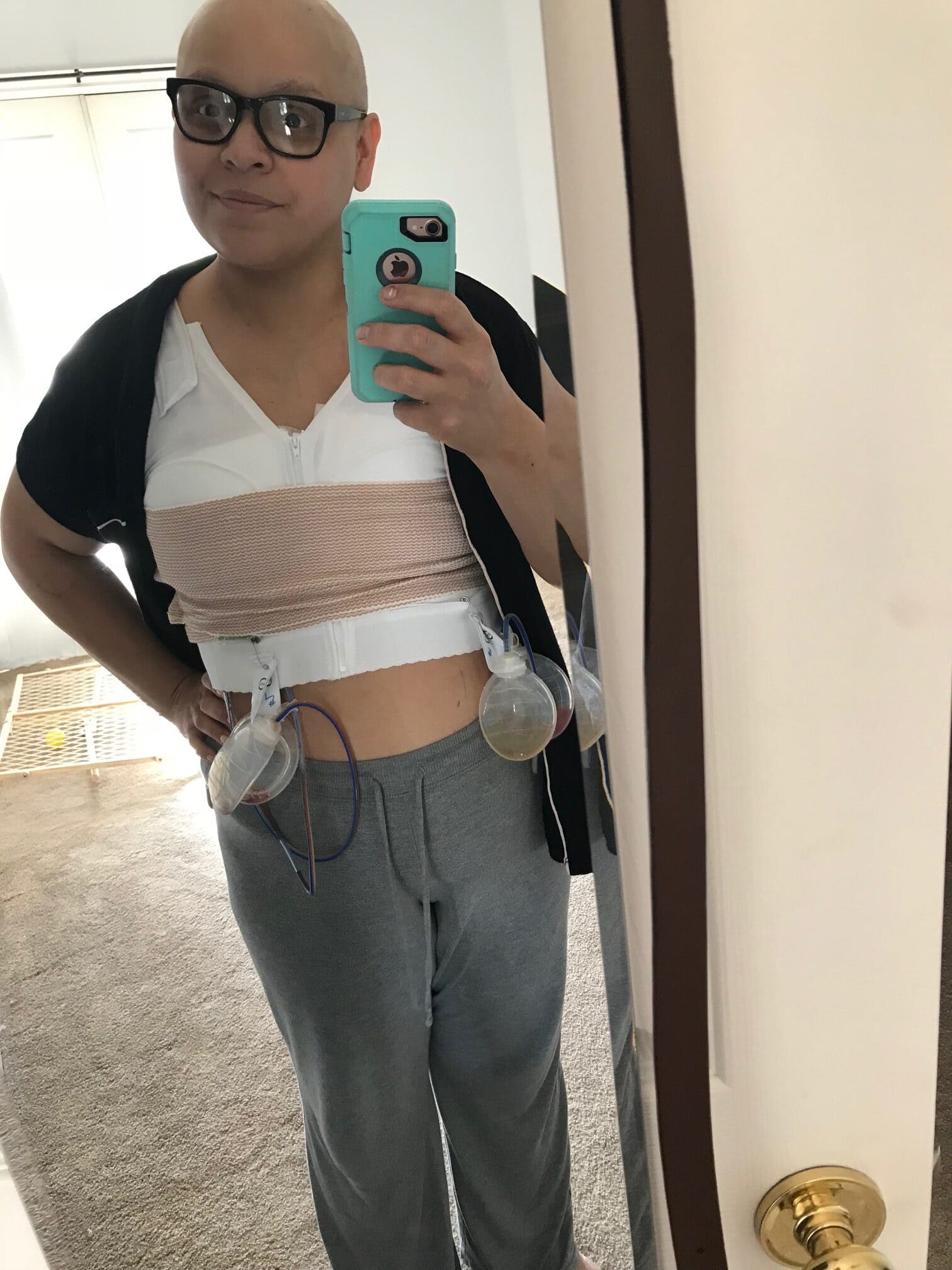
Now, at the recommendation of both oncology teams they have asked me to reach out to my parents and siblings to be tested. They also think that when my littles turn 18, they should be tested. Breast Cancer is the worst, so is being metastatic. If there is a silver lining out there, it’s that, because of mine and my docs’ diligence, I can help my kids and nieces and nephews hopefully avoid the same fate. When someone is diagnosed with cancer, they begin to collect unique stories worth sharing. For me, the stories most worth sharing are those that will help my people and other people of color.
By: Natalia