Sometimes the hardest chapters become the ones that give your life a new purpose. For most of my life, I believed that if I planned carefully enough, worked hard enough and did everything I was supposed to do, life would somehow follow the plan.
At 32, I began learning that it doesn’t. I was told I was infertile. I still remember hearing that my reproductive system was more like that of a 49-year-old woman. Those are words you never expect to hear at 32. I had always imagined becoming a mother, and suddenly one of the things I wanted most felt uncertain. So I fought for it. My husband and I pursued IVF. When we finally had a healthy embryo ready to transfer, my yearly Pap smear showed cancerous cells, and I was diagnosed with cervical cancer. Everything stopped. The future I had planned no longer matched the reality I was living. Instead of preparing to become a mother, I was facing cancer and multiple surgeries. But that wasn’t the end of my journey to motherhood. After beating cervical cancer, I was eventually able to move forward with the embryo transfer and carry a healthy baby boy to full term without complications—the baby I had fought so hard to have. A few years later, I underwent a hysterectomy, while preserving my ovaries. Cancer changed many things for me, but one of the most important was the relationship I had with my own voice. I learned to ask questions. I learned to listen when something didn’t feel right. I learned to trust my instincts and advocate for myself. And I began learning something else that would take me years to fully understand: the difference between giving up control and giving up my voice. I couldn’t control everything that was happening to my body. But I could decide how I responded.
When Another Question Led to an Answer
Years later, I entered early menopause. Because my ovaries had been preserved during my hysterectomy, there wasn’t an obvious explanation for why it was happening. Once again, there were questions about my body that didn’t have easy answers. And once again, I kept asking.
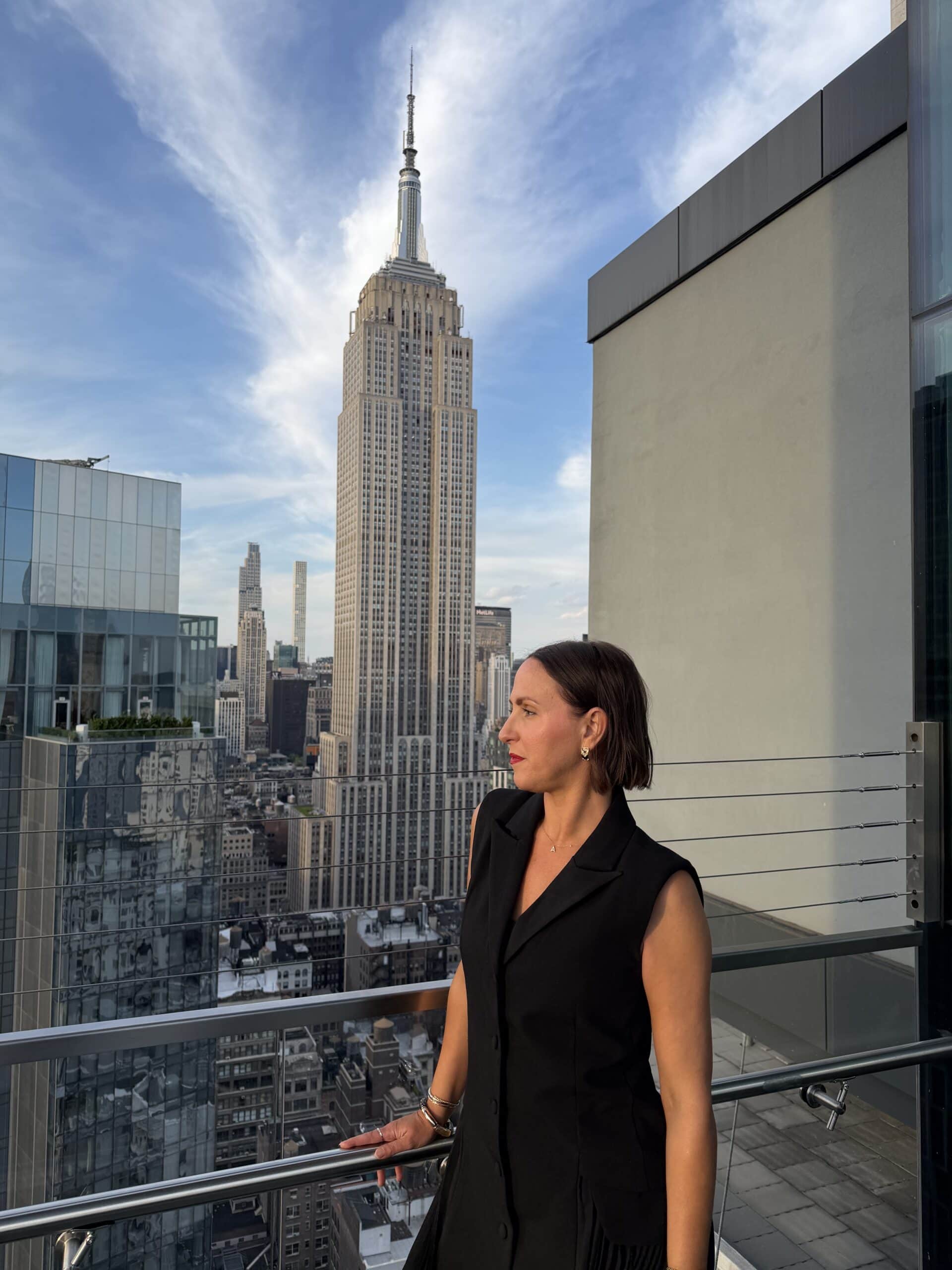
My doctor took a closer look at my family history, which included multiple cancers, and recommended genetic testing. That’s when I learned I carry a PALB2 mutation. Suddenly, I had another piece of information about my health and my future that I hadn’t expected.
But this time, the information didn’t stop with me. My parents were tested to determine which side of the family the mutation came from, and we learned that my dad carries PALB2. That knowledge gave my sisters the opportunity to get tested as well. My older sister tested positive. My identical twin sister did too. All three of us carry PALB2. What began as my own genetic result became a family discovery.
There was fear in that knowledge. How could there not be? These are people I love. Suddenly, we were having conversations about cancer risks, screenings, surgeries and decisions none of us ever imagined we’d need to make. But there was also power in knowing. One person’s decision to get tested had given an entire family the opportunity to know more about our health and make informed decisions for ourselves.
Motherhood Changed What Risk Meant to Me
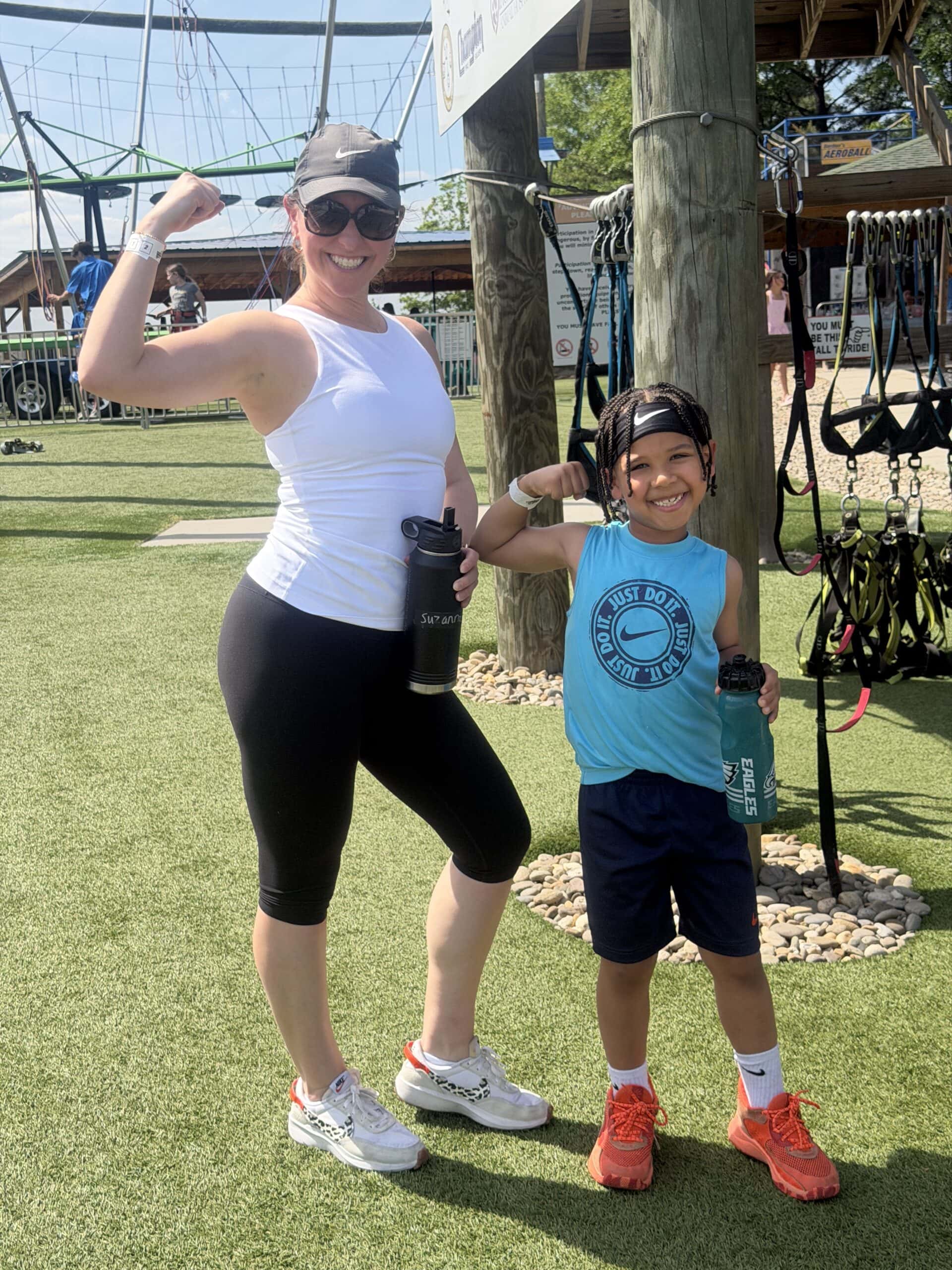
By the time PALB2 entered my story, I was a mother—the very thing I had once fought so hard to become. That changed the way I looked at risk. After everything it had taken to become a mom, I knew one thing with absolute certainty: I wanted to be here.
I wanted to watch my son grow up. I wanted the ordinary days just as much as the milestones—the school mornings, birthdays, sports, conversations in the car and all of the moments you don’t realize are precious until you imagine the possibility of missing them.
Learning that I was PALB2+ didn’t eliminate my fear. I was afraid. There were moments when I wished I could go back to a time when I didn’t know. But I had already learned that fear couldn’t be the thing making my decisions. I couldn’t control the mutation I inherited. I couldn’t predict whether I would ever develop another
cancer. But I could decide what I wanted to do with the information I had been given. For me, that eventually meant choosing proactive, risk-reducing surgeries, including a bilateral mastectomy with DIEP flap reconstruction and removal of my ovaries.
Those decisions were deeply personal. Being proactive wasn’t about believing the worst was going to happen, and it certainly wasn’t about being fearless. For me, it was about doing what I could to protect the life I had fought so hard to build. I want my son to grow up knowing that his mom was afraid sometimes, but she didn’t allow fear to stop her from living or making the choices she believed were right for her.
Three Sisters, One Mutation, Individual Choices
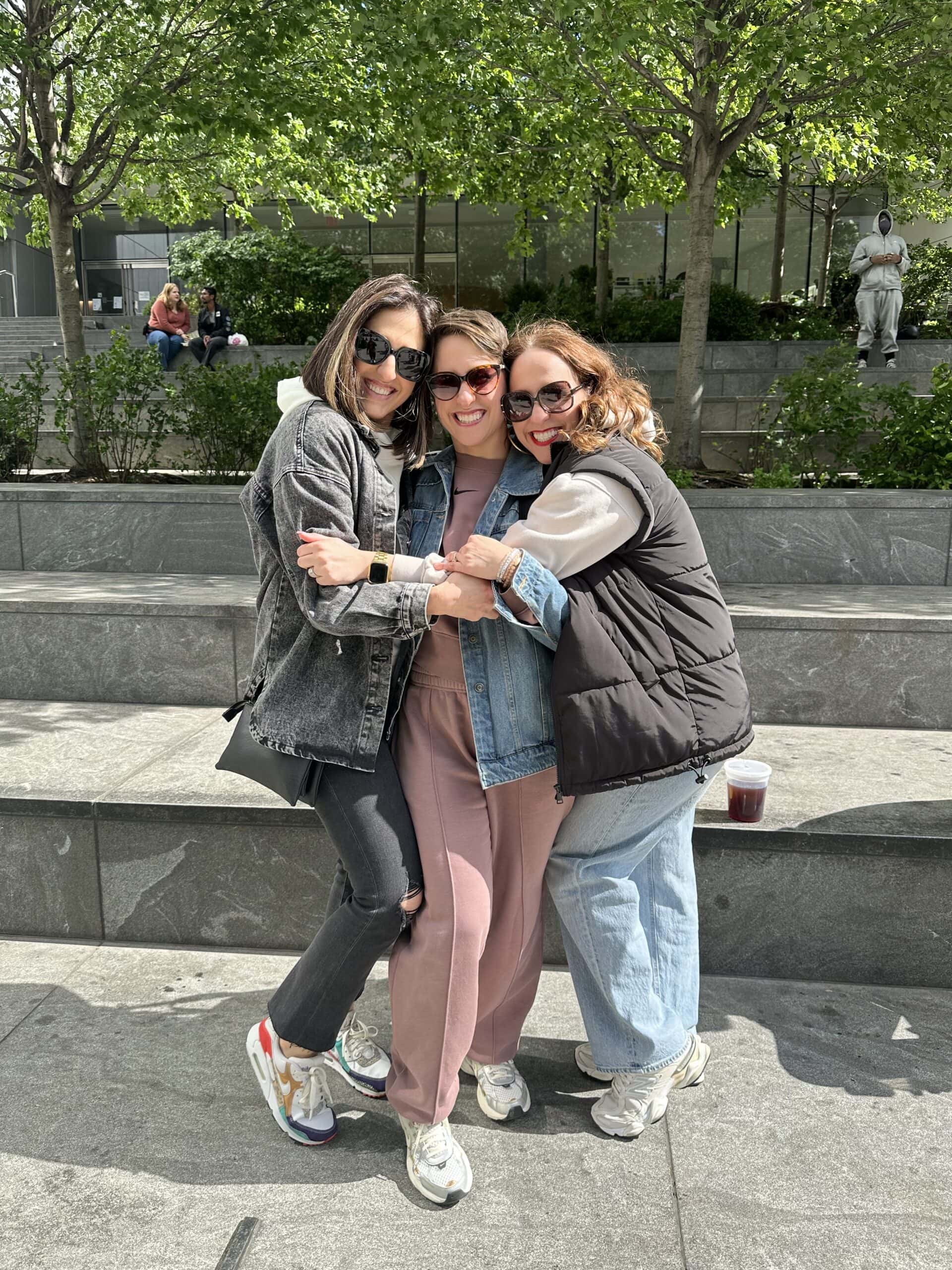
One of the most meaningful parts of this journey has been navigating it alongside my sisters. There is something difficult to describe about learning that both your older sister and your identical twin carry the same hereditary cancer mutation you do. We share DNA. We share history. We share this mutation. But we don’t have to share the same decisions. That has been another important lesson for me about what it means to be a previvor. Knowledge gives us choices. It doesn’t make the choices for us.
Each woman has to consider her own body, her own family, her own circumstances, her own risk tolerance and her own future. My sisters and I can ask questions together. We can share information. We can support each other through difficult moments. But ultimately, each of us gets to decide what being proactive looks like for her.
There is something incredibly empowering about that.
What Being a Previvor Means to Me
For a long time, I thought strength meant having things figured out.
Now I think strength looks very different. Sometimes strength is asking another question. Sometimes it’s admitting you’re scared.
Sometimes it’s making a difficult decision when there is no perfect answer. And sometimes it’s accepting that you cannot control what happens next while trusting yourself enough to move forward anyway. Being a previvor exists in that complicated space.
I am a cervical cancer survivor. And because of PALB2, I am also a breast and ovarian cancer previvor. Those two identities have taught me very different things. Surviving cancer meant responding to a cancer diagnosis that was already in front of me. Being a previvor has meant understanding my inherited cancer risks, looking at what cancer has already done within my family, and making deeply personal decisions about my health before another diagnosis could make those decisions for me.
Knowledge didn’t give me certainty. It gave me agency.
There is an emotional weight to that distinction that can be difficult to explain until you’ve lived it. You can be grateful for the knowledge and overwhelmed by it. Empowered and afraid. Certain about one decision and questioning another. You can know you’ve made the right choice for yourself and still grieve what that choice required of your body. I’ve learned to allow all of those things to be true at once.
The Woman I’m Becoming
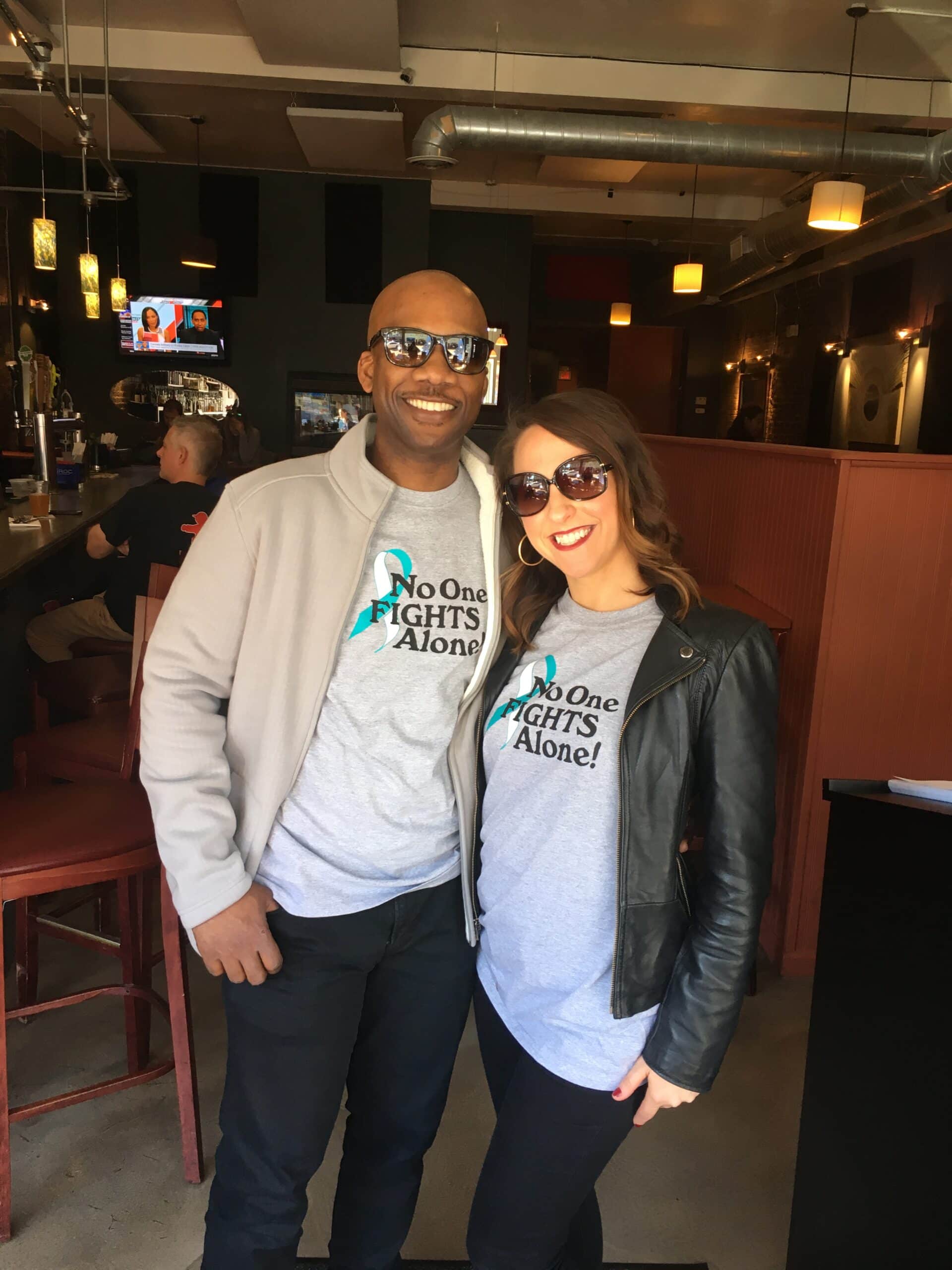
It’s been more than a decade since that 32-year-old woman first heard that the future she had planned might look very different from the one she imagined. When I look back now, I don’t see one breaking moment as much as I see a series of moments that kept asking me to become someone new. Infertility taught me to advocate for myself. Cancer taught me that plans can change in an instant. Unexplained early menopause taught me to keep asking questions. PALB2 taught me the power of knowing. My sisters taught me that we don’t have to navigate hard things alone. Motherhood gave me an even greater reason to be proactive.
And somewhere along the way, I stopped believing that strength meant having complete control. I am still a planner. I still ask questions. I still advocate fiercely for myself and the people I love. But I’m also learning to surrender what I cannot control—to trust the journey, use my voice and embrace the woman I am still becoming. Perhaps that’s why the timing of sharing this story feels especially meaningful.
September 30, 2026 is National Previvor Day.
It will also mark the closing of another enormous chapter in my life: the end of a nearly 20-year corporate career. I can’t help but see meaning in those two moments landing on the same day. For me, it feels like God reminding me that sometimes a chapter can close without the entire story being written yet. For the first time in a long time, I don’t know exactly what comes next. And I’m learning to be okay with that. What I do know is that I want to use my experiences, my voice and everything these past ten years have taught me to help other women feel informed, empowered and less alone. Because behind every genetic mutation is a person, a family, a story and a future. If sharing mine encourages one woman to listen to her body, ask another question, learn her family history, advocate for herself or simply feel less alone in the uncertainty, then every chapter I’ve walked through can serve a purpose.
I cannot control every part of my story. I know that now. But I can choose how I live it. For so long, I thought courage meant knowing what came next. Today, I think it looks more like trusting myself even when I don’t. The life I planned may not be the life I ended up living exactly as I imagined it. But it led me to a life I fought incredibly hard for—and to a woman I’m still discovering, trusting and becoming.
And for the first time, I don’t need to have the rest of the story figured out.
Suzanne Smallwood is a cervical cancer survivor and PALB2 breast and ovarian cancer previvor, mother, educator, coach and advocate. After nearly two decades building a career centered on education, leadership and helping others grow, she is entering a new chapter focused on using her lived experience and voice to help women feel informed, empowered and less alone as they navigate their own health journeys.
I was 19 years old when I found my first breast lump.
What makes that moment even more unforgettable is that I found it myself on the very same day, shortly after leaving my annual physical. I was young, already a mother, and I didn’t fully understand my family’s breast cancer history or what that history could eventually mean for me. I simply knew my body well enough to recognize that something felt different.
Thankfully, that first lump was benign, but breast cancer would continue to be a presence in my life long before I ever knew there was a word for women like me: Previvor.
As I got older, I began learning more about the breast cancer diagnoses within my family, particularly on my father’s side. I didn’t know who my father was or anything about his side of the family until I was 32 years old. I often wonder how differently my journey may have unfolded had i known that history sooner. Instead, I spent years unaware that one-half of my family’s story was also my own.
When I finally learned my family history, I discovered that four of my paternal sisters had been diagnosed with breast cancer in their early 30s. Sadly, three of them lost their lives to this disease, while one has now been in remission for more than 20 years. Learning this changed everything. It’s also something I wish more young women understood:
Your father’s family history matters, too.
When we’re asked about breast cancer, so much attention naturally goes toward our mothers, grandmothers, and maternal relatives. But hereditary cancer risk can come from either parent. Knowing the medical history on both sides of your family can lead to life-changing conversations with your healthcare provider.
For me, it certainly did. At 32 years old, I began seeing a breast specialist and had my very first mammogram. After evaluating both my personal and family history, my healthcare team determined that my estimated lifetime risk of developing breast cancer was 60%.
Hearing those words changed my life. Although I had never been diagnosed with breast cancer, I suddenly found myself making decisions no healthy 32-year-old imagines having to make.
I had not been diagnosed with breast cancer. But suddenly, cancer was no longer something that had only happened to other women in my family. I had to think about what a significantly elevated risk meant for my future. Being high-risk comes with its own emotional journey.
There is fear, uncertainty, appointments, waiting for results, questions about genetic testing, and conversations you never imagined having while you’re otherwise healthy. For years, increased surveillance became part of my life. I underwent regular mammograms and breast MRIs, often alternating every six months. Every appointment reminded me why I was being monitored so closely. Every scan required me to continue making decisions about what was best for my body and my future.

Eventually, I had to ask myself one of the hardest questions of my life:
Do I continue living with intensive surveillance, or do I choose another path?
On July 11, 2023, I underwent a preventative nipple-sparing bilateral mastectomy with DIEP flap reconstruction. I want to be very clear about something that is incredibly important to my story.
I did not have breast cancer.
My surgery was a preventative decision made after years of understanding my risk, learning my family history, being closely monitored, talking with my healthcare team, and deciding what was right for me. Preventative surgery is not the right decision for every high-risk woman. My story is not here to tell another woman what decision she should make. My story is to remind every woman that she deserves to know her options. Every women deserves to ask questions, deserves individualized information about their own risk, and deserves to be an active participant in decisions about their own body.
Today, I proudly identify as a Breast Cancer Previvor. But when I was 19 and found that first lump, I didn’t know that word. I didn’t see many Black women talking publicly about living with a high risk of breast cancer without having a cancer diagnosis.
I didn’t know there was an entire community of women navigating increased risk, surveillance, difficult decisions, and prevention. That is exactly why Black and Brown Previvor visibility matters. Our breast cancer conversations cannot begin only after diagnosis.
Black and Brown women deserve to see ourselves represented in conversations about family history, breast cancer risk assessments, genetic counseling and testing, increased surveillance, preventative options, reconstruction, emotional wellness, and informed decision-making.
We are part of the breast cancer community, too.

Today, I have the privilege of becoming some of the representation I wish I had when I was younger.
I am a Licensed Practical Nurse.
I am a Baddie Ambassador.
I am an Advocate.
I am a Woman Of Faith.
I am a Mother.
And I am a Black Breast Cancer Previvor.
My advocacy isn’t about telling every woman to make the same decision I made. It’s about helping women realize they have permission to ask questions before there is a diagnosis.
Ask your mother about your family history.
Ask your father.
Talk to your grandparents, aunts, uncles, and relatives whenever possible.
Learn who was diagnosed, how old they were, and what types of cancer occurred in your family. Talk with your healthcare provider about what that information could mean for you and whether a formal breast cancer risk assessment or genetic counseling may be appropriate.
Most importantly…
Know your body, trust yourself, and advocate for yourself when something doesn’t feel right.
Again, I found my first lump at 19. I could have never imagined where that moment would eventually lead me. Today, I have the privilege of reaching back for another woman—especially another Black or Brown woman navigating her own breast cancer risk and wondering where she belongs.

You belong here.
Previvors belong here.
Black and Brown Previvors are here.
And our stories deserve to be seen, heard, and included. My hope is that another young woman will hear my story sooner than I heard one like mine. Because when we know our family history, understand our risk, and advocate for ourselves, we give ourselves the opportunity to make informed decisions and those decisions have the power to change the course of our lives.
Melishia Branch, LPN
Breast Cancer Previvor
Baddie Ambassador | Advocate
This re-blog is in collaboration with our community partner For the Breast of Us (FTBOU) is the first online community dedicated to Women of Color impacted by breast cancer. Founded to address the lack of representation and culturally relevant resources, our mission is to educate, advocate, and build community through our Making spACE initiative, which centers on Advocacy, Community & Education. We serve women nationwide, offering programs like Baddie Boost (monthly virtual meet-up), Baddie2Baddie Podcast, Baddie Blog, Baddie Ambassador Program, and our annual event Breast Cancer BaddieCon. Led by experienced patient advocates and supported by a national network of partners, FTBOU has the proven capacity to design, implement, and scale programs that center the voices of Women of Color, address disparities, and provide tangible support from diagnosis through survivorship.
Observed on the last Wednesday of September, National Previvor Day recognizes people who live with an increased risk of developing cancer but have not been diagnosed with the disease.
For many, being a previvor means knowing cancer could be part of your future and choosing to do something about it before it ever becomes your diagnosis.
A previvor is someone who has an increased risk or predisposition to developing cancer but has not been diagnosed with cancer.
That increased risk may come from an inherited genetic mutation, such as BRCA1, BRCA2, PALB2, CHEK2, ATM or Lynch syndrome, or from a significant family history of cancer.
Previvors may choose increased cancer screening, genetic counseling, risk-reducing medications, preventive surgery or other proactive measures to manage their cancer risk.
But being a previvor is about more than medical decisions. It means navigating decisions most people never expect to face while healthy.
National Previvor Day falls on Wednesday, September 30, 2026.
National Previvor Day was first recognized by Congress in 2010 alongside National Hereditary Breast and Ovarian Cancer Week. It is observed on the last Wednesday of September, helping raise awareness about hereditary cancer risk and the people making decisions about their health before a cancer diagnosis.
In 2026:
National Previvor Day: Wednesday, September 30, 2026
National Hereditary Cancer Week: September 27–October 3, 2026
Breast Cancer Awareness Month: October 1–31, 2026
At The Previvor, we believe cancer prevention deserves a place in the cancer conversation.
For decades, much of cancer awareness has understandably focused on finding cancer early and treating it effectively. But advances in genetic testing now give some people an extraordinary opportunity: the chance to understand their risk before cancer develops.
Knowing your risk can open the door to choices.
For some people, that means starting screenings earlier. For others, it means considering preventive surgery. It can mean genetic testing, fertility preservation or IVF with PGT-M to reduce the chance of passing an inherited cancer mutation to the next generation.
There is no single way to be a previvor. There is power in simply knowing that you have options.
You don’t need to already know that a BRCA mutation runs in your family to start asking questions.
A strong family history of breast, ovarian, pancreatic, prostate, colorectal or other cancers, particularly cancers diagnosed at younger ages or appearing repeatedly within a family, may be a reason to speak with a healthcare professional or genetic counselor about your individual risk.
National Previvor Day isn’t about living in fear of cancer.
It’s about what becomes possible when people have information early enough to act on it.
Our goal at The Previvor is to make sure more people understand their hereditary cancer risk, know what questions to ask and have access to the information and resources they need to make informed decisions about their futures.
Because sometimes surviving cancer starts before cancer ever begins.
National Previvor Day 2026 is September 30, 2026.
Learn your risk. Know your options. And remember: there is power in prevention.
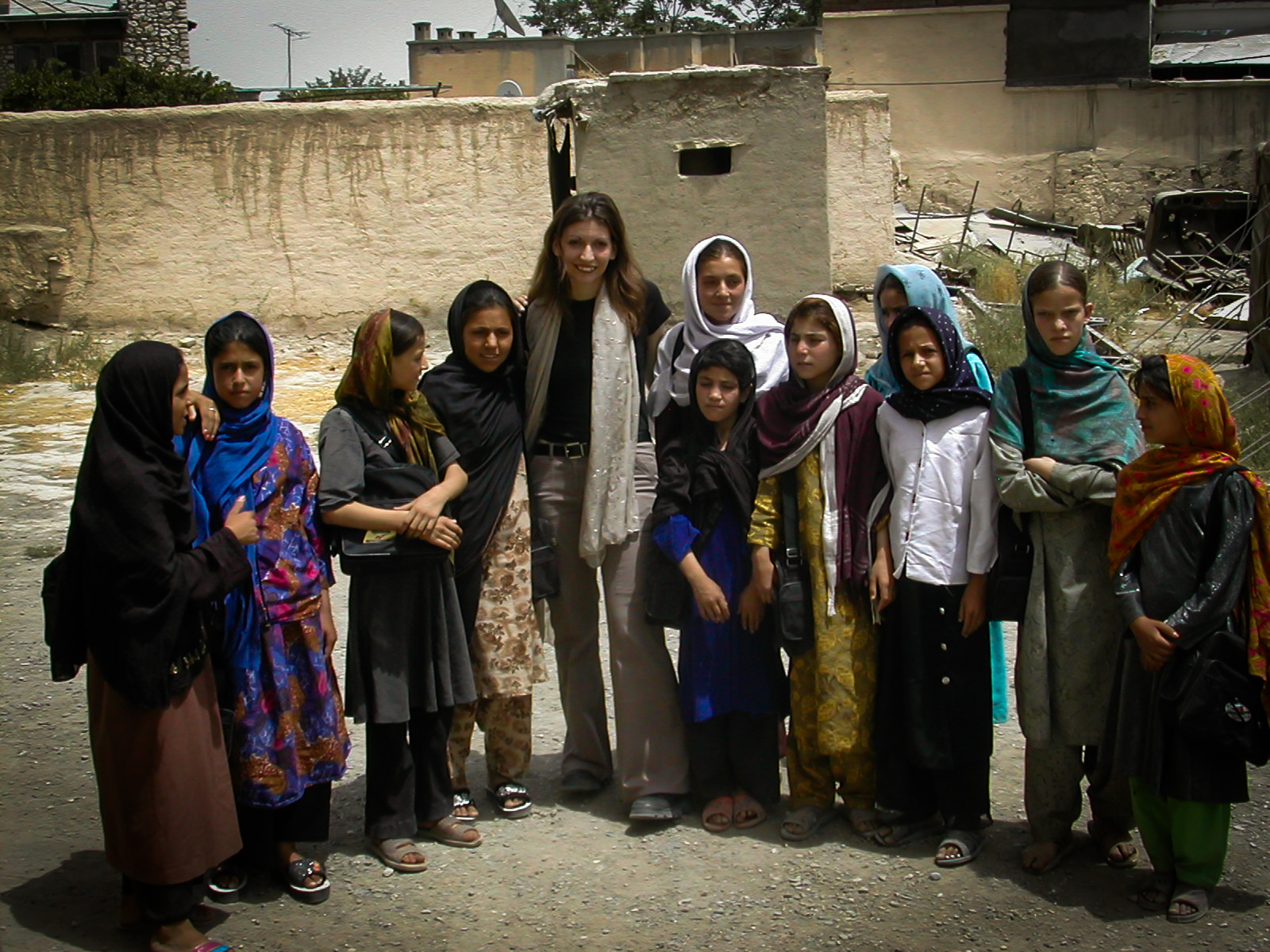
I spent nearly two decades serving my country in places most people will never see on a map. Years in conflict zones, third-world postings, forward operating environments where the mission came first and everything else came second. I was a CIA operations officer, and for more than half of my career, I lived and worked in warzones and developing countries, operating in the kind of conditions that quietly take a toll on your body in ways you don’t fully understand until years later.
I left that life proud of what I had given. I also left it carrying more than I expected.
The Years It All Came Due
In 2022, I sustained a mild traumatic brain injury (mTBI) that left me with chronic side effects. It was the beginning of what I now recognize as a cascade. I found myself on the threshold of the kind of health crisis that doesn’t announce itself all at once, but arrives in waves, each one asking you to dig a little deeper.
In 2023, I was diagnosed with Stage 1A Melanoma. Caught early, treated, and behind me, but it cracked something open. When you have spent your career in service of others, being the one who needs care is a disorienting recalibration.
Then came 2024. A diagnosis of Atypical Ductal Hyperplasia, a precancerous condition of the breast tissue, that led to a dramatically higher lifetime risk of developing breast cancer. It was a conversation which, for me, had a clear answer. I have a husband and three daughters – if I could absorb the brunt of what might be coming and spare them from watching me walk through breast cancer, then, for me, the right course was an obvious one. I chose a prophylactic bilateral mastectomy. Grateful for the opportunity to face breast cancer on my own terms, I have not regretted it for a single second.
I knew it would be a hard road, but no one can be fully prepared for the physical and emotional terrain of that journey. Navigating it alongside a head injury that leaves me more easily overwhelmed, more quickly fatigued, and more sensitive to sensory overload made everything even trickier. There is no clean script for that kind of layered recovery. You find your footing where you can, and you hold on to the people beside you.
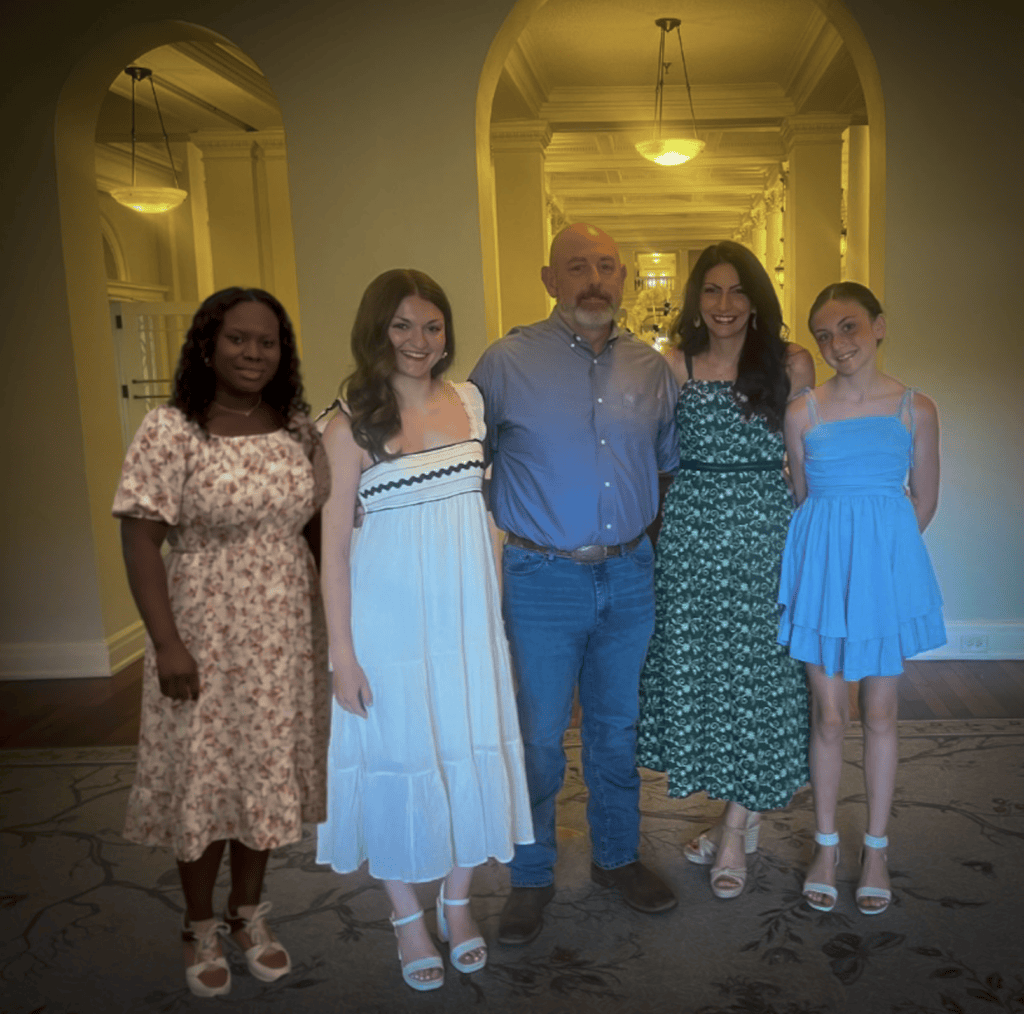
Late 2025 brought revision surgery and another step in the ongoing, non-linear process of healing. It is as walk that no one describes quite accurately enough in advance because everyone’s journey is so uniquely personal.
What We’re Starting to Understand About Women Like Me There is a conversation gaining slow momentum about servicewomen of my generation experiencing elevated rates of cancer at younger ages. Burn pit exposure, contaminated water sources, environmental toxins in deployed environments, and the chronic physiological burden of operating in austere conditions. The research is still catching up, but the pattern is becoming harder to ignore. I am one data point in that story, and I know I am not the only one. Women who have served deserve to have their full health histories taken seriously, including the chapters that happened far from home.
The Gap I Couldn’t Find My Way Around
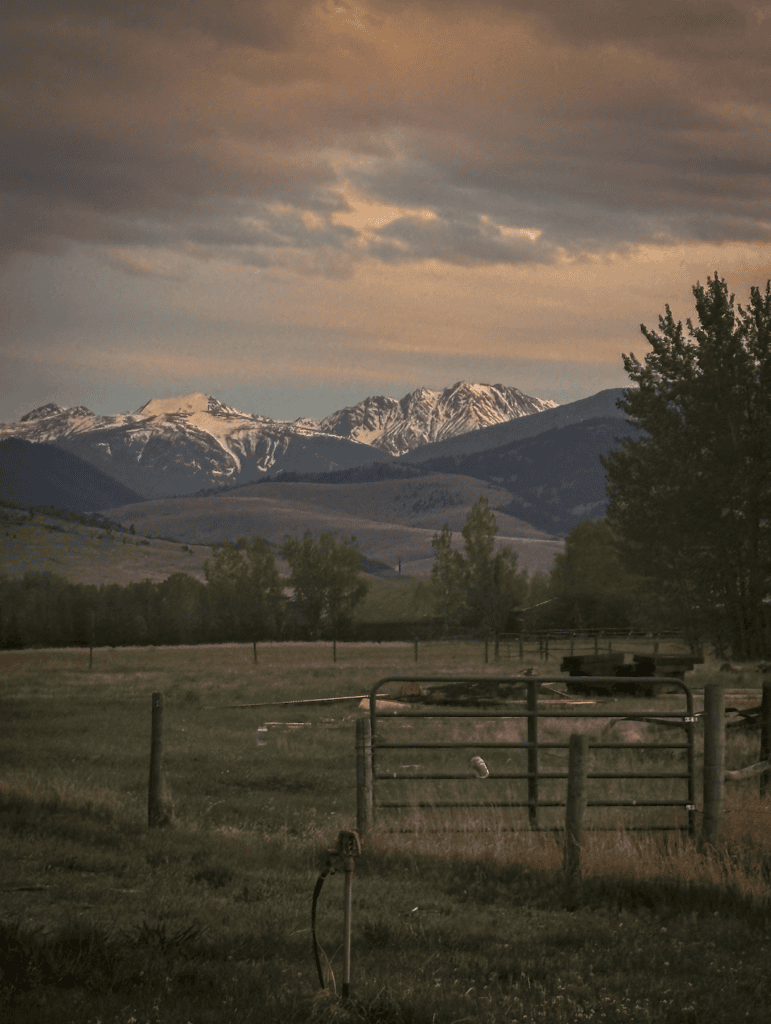
Our farm in Madison County, Montana sits at the base of the Tobacco Root Mountains in the kind of place where long winters and strong neighbors shape how you live. When I came home post-mastectomies, I was navigating mTBI recovery, post-surgical nerve pain, and a body that had been through more than it had signed up for.
I wanted clean, botanical, all-natural products. Not as a lifestyle preference, but as a matter of conviction. After years in chemically compromised environments, the last thing I wanted was to layer synthetic compounds onto healing skin. I needed something gentle for the chronic nerve pain and the sensitivity I developed post-surgery. I kept coming up empty.
What I found in the wellness space were products full of ingredients I could not verify, or “natural” claims that did not hold up to scrutiny. What I was looking for simply did not seem to exist. So, I started making it myself, slowly, the way things are made on a homestead. I gratefully used what the land and the season provided.
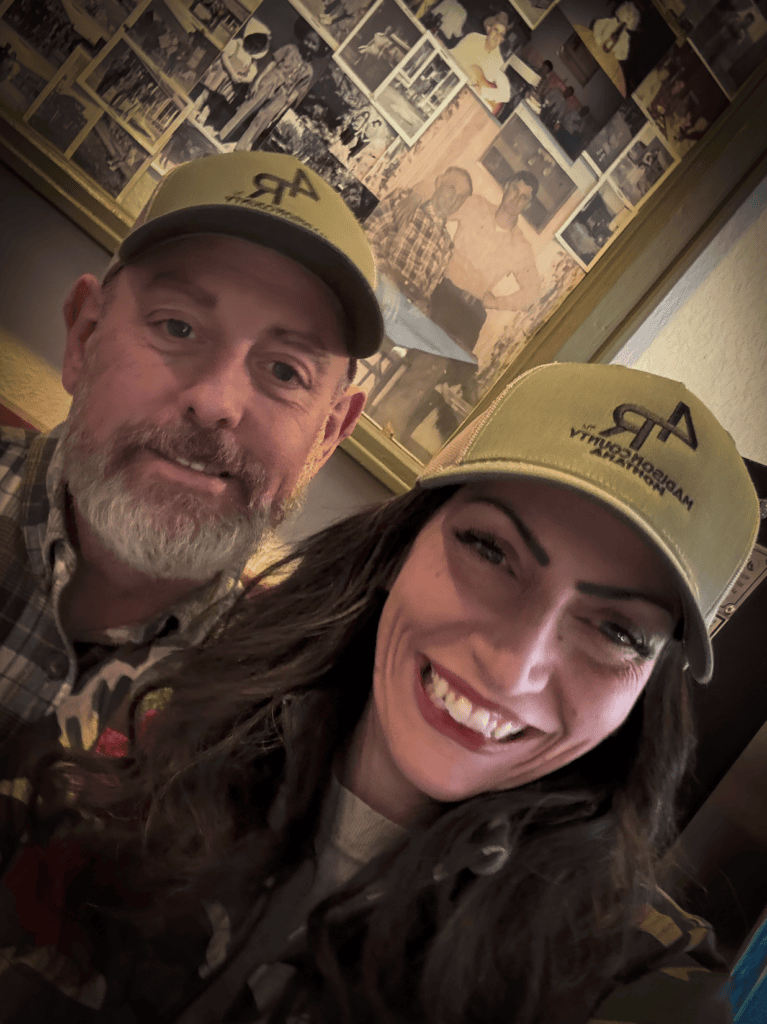
What Grew From That Building 4R Farm into a Montana-rooted botanical and heritage care company was not a business plan. It was what happened when a gap in my own healing met with Montana grit.
What I did not anticipate was what the making itself would give back. A CIA career is hard to leave behind. You feel the loss of mission keenly, no matter how ready you are to retire. My head injury, which dimmed my confidence and sharpened my fatigue made that transition harder still. Weeks of post-surgical limitation, when your body will not let you be useful, has its own particular weight.
Slowly infusing botanicals, learning the rhythms of what the land offers each season, building something with my hands that I believed in – all of it gave me back something I had not known that I had lost. Purpose that fit the pace of recovery. Confidence that rebuilt itself quietly, in small increments. A reason to be in the present instead of grieving.
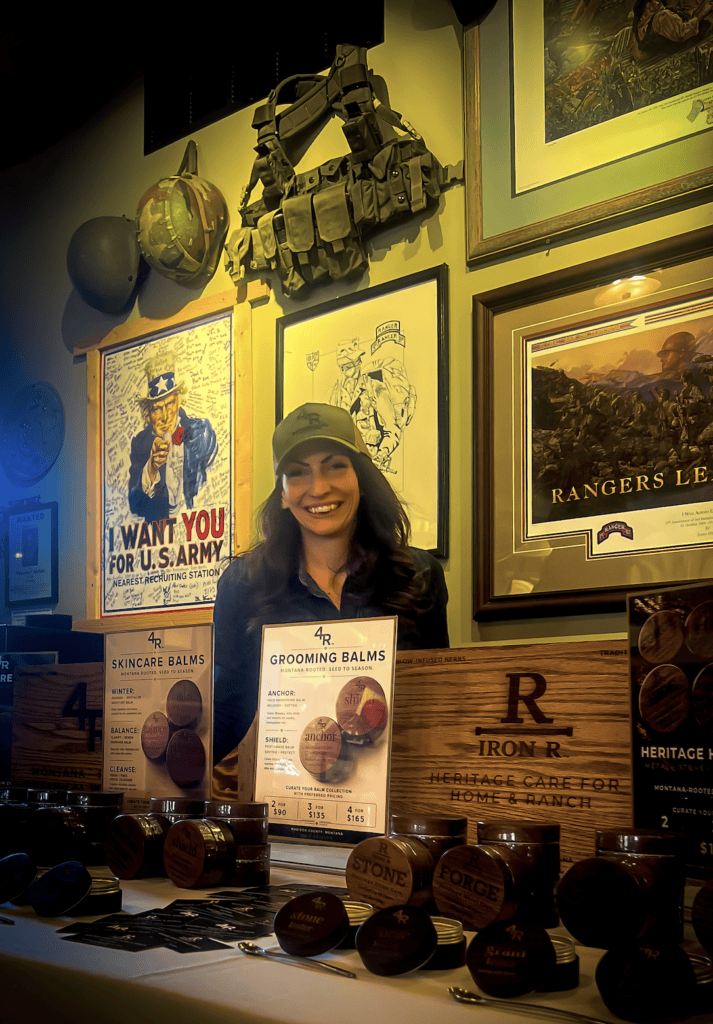
Our GENTLE Care Collection was built for healing seasons. Formulated with the care and restraint that post-surgical skin and nerve sensitivity require, made from whole-plant infusions, traditional fats, and Montana beeswax, it came directly from my own need. It is the most intensely personal thing we make. 4R Farm was built on the need to live close to what is real, to know what is in the products that care for body and home, and to build something that reflects the values that carried me through twenty years of service. Values which are carrying me still.
To Anyone in a Healing Season Right Now
If you are somewhere in the middle of your own story, whether waiting on results, recovering from surgery, navigating the weight of a prophylactic choice, or simply trying to find steady ground after a diagnosis, I want you to know that the work of healing is not linear, and it is not small.
I spent years in environments designed to test every limit I had. Nothing quite prepared me for the particular discipline of learning to be still, to let others carry the weight, to turn toward my own body with patience instead of urgency. But the same conviction that sustained me through decades of service has brought me to the belief that when you are given something hard, you do not walk away from it.
You lean into it with faith and you find the mission inside of it. For me, that mission lives on a homestead at the foot of the Tobacco Root Mountains, in a jar of slowinfused botanicals, in three daughters watching their mother refuse to be diminished by what she could not control. It lives beautifully in this community, too, in every woman who has chosen to previve rather than wait, and in every story that helps another woman feel less alone.
I am honored to be in this space with you. 4R Farm Botanical Wellness Balms is a Montana-rooted, farmstead apothecary brand. Learn more at www.4R.farm.*
*Disclosure: This content references third-party skincare products and brands. The Previvor Foundation has no financial relationship with, sponsorship from, or affiliation with the companies mentioned in this article unless specifically disclosed. All opinions expressed are those of the original author and are provided for informational purposes only.
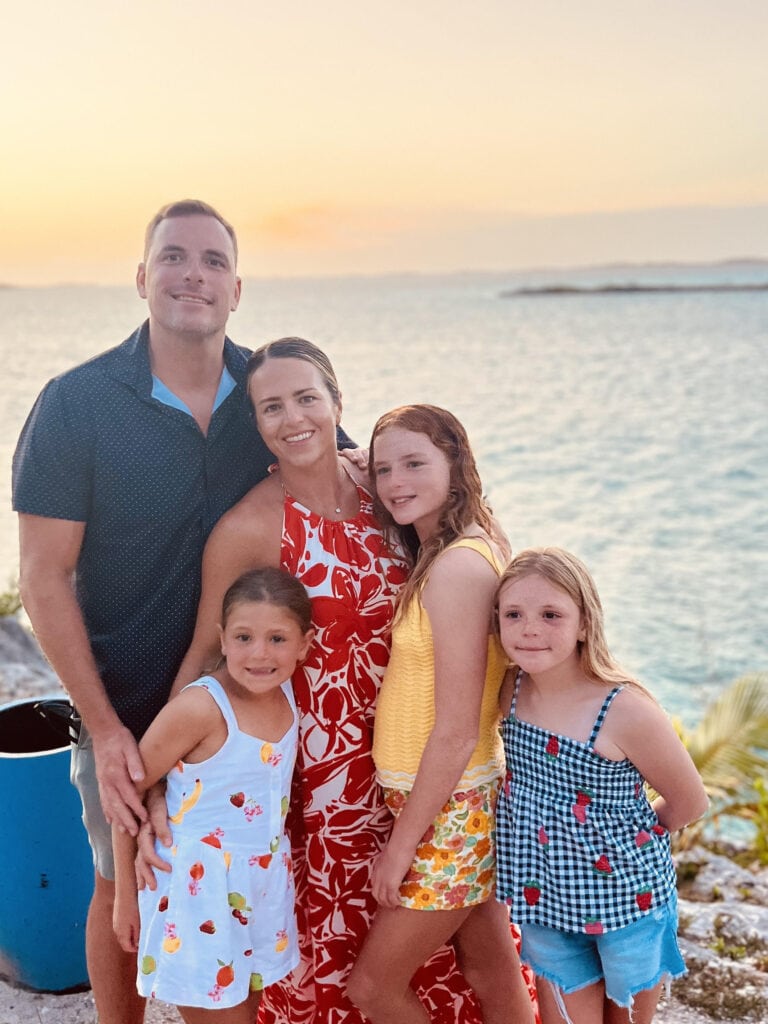
Breast cancer first entered my life when I was in 8th grade. My mom was diagnosed at age 41—and just a year later, she lost her battle.
That moment changed everything. My dad, my two sisters, and I were left to navigate life without her. I was left with a fear that would quietly shape my future.
When I was 18, I found a lump in my breast. It was removed and, thankfully, benign. In my early twenties, I took the BRCA test and tested negative. That gave me some peace of mind throughout my 20s and 30s. I clung to that result like a safety net.
At 39, I had my first mammogram. Like many women, I was told I had dense breast tissue, and they recommended an MRI. I wasn’t overly concerned—until the nurse called:
“Hi, you have a spot on your left breast they’d like to biopsy, and another area we want to monitor. I’ll call in the order.”
She hung up. Just doing her job.
But I stood frozen in my kitchen, suddenly overwhelmed. I felt sick. I sobbed. I was not going to let history repeat itself.
A year before that call, I had a conversation with a stranger who happened to be a breast cancer specialist from Mayo Clinic in Jacksonville . Almost jokingly, I asked if it was crazy to consider a preventative mastectomy with my family history.
“Absolutely not,” he said.
Those words stayed with me. After my biopsy came back non-cancerous, I decided I wanted to be proactive. I wanted to take control of my story.
My first consultations didn’t go well. The breast specialist didn’t understand my concerns, and the plastic surgeon discouraged me about how I’d look after surgery.
Then I got a referral to Magnolia Breast Health to see Dr. Patterson. She reviewed my history, looked me in the eye, and said:
“You are 100% a candidate for this surgery, and insurance will cover it.”
Tears of relief filled my eyes. She saw me. She validated everything I was feeling.
I also met with Dr. Holmes, one of the plastic surgeons she works with, and received the same level of care and confidence. I had found my team.
In September 2024, I had a six-hour surgery to remove all my breast tissue and place spacers. I was home the same day, my husband by my side.
My chest looked like a vacuum-sealed Amazon package, and the surgical drains made me feel like an octopus—but I was grateful.
The hardest part of recovery wasn’t the pain—it was the stillness. As an active mom of three girls, slowing down was a challenge.
In November, Dr. Holmes placed my implants. The second procedure was much easier, and I recovered quickly. The emotional weight had already been lifted.
Now, I sit by the pool watching my daughters at swim practice. My heart is full.
I’ve reduced my breast cancer risk to just 2%. I know we can’t control the future, but we can make choices that shape it.
I’m grateful I trusted myself, even when early doctors didn’t. I got a second opinion. I kept pushing.
People have asked, “Isn’t that extreme? You don’t even have BRCA.”
But tell that to the 14-year-old girl who watched her mom be taken off life support.
No, it wasn’t extreme for me. It was right.
To anyone facing hard choices—I’m sending you love, strength, and the courage to advocate for yourself.
You know your body. You know your story.
Trust yourself.
– Aimee Pokorny
Learning your average risk of breast cancer couldn’t be easier! And it’s FREE! You can access the “Gail Model” here for a 7 question test to help you stay informed and empowered in your breast health: