Sometimes the hardest chapters become the ones that give your life a new purpose. For most of my life, I believed that if I planned carefully enough, worked hard enough and did everything I was supposed to do, life would somehow follow the plan.
At 32, I began learning that it doesn’t. I was told I was infertile. I still remember hearing that my reproductive system was more like that of a 49-year-old woman. Those are words you never expect to hear at 32. I had always imagined becoming a mother, and suddenly one of the things I wanted most felt uncertain. So I fought for it. My husband and I pursued IVF. When we finally had a healthy embryo ready to transfer, my yearly Pap smear showed cancerous cells, and I was diagnosed with cervical cancer. Everything stopped. The future I had planned no longer matched the reality I was living. Instead of preparing to become a mother, I was facing cancer and multiple surgeries. But that wasn’t the end of my journey to motherhood. After beating cervical cancer, I was eventually able to move forward with the embryo transfer and carry a healthy baby boy to full term without complications—the baby I had fought so hard to have. A few years later, I underwent a hysterectomy, while preserving my ovaries. Cancer changed many things for me, but one of the most important was the relationship I had with my own voice. I learned to ask questions. I learned to listen when something didn’t feel right. I learned to trust my instincts and advocate for myself. And I began learning something else that would take me years to fully understand: the difference between giving up control and giving up my voice. I couldn’t control everything that was happening to my body. But I could decide how I responded.
When Another Question Led to an Answer
Years later, I entered early menopause. Because my ovaries had been preserved during my hysterectomy, there wasn’t an obvious explanation for why it was happening. Once again, there were questions about my body that didn’t have easy answers. And once again, I kept asking.
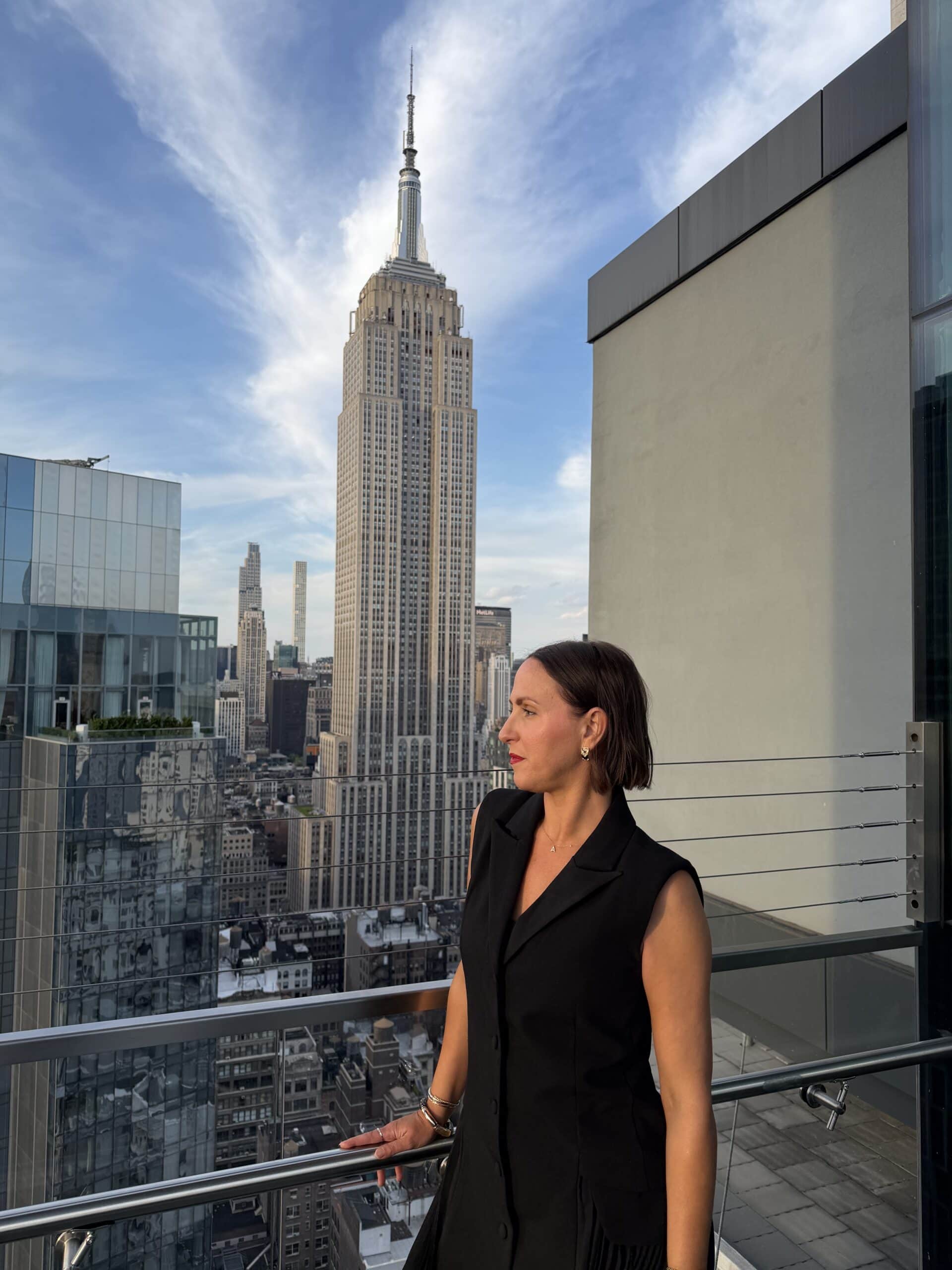
My doctor took a closer look at my family history, which included multiple cancers, and recommended genetic testing. That’s when I learned I carry a PALB2 mutation. Suddenly, I had another piece of information about my health and my future that I hadn’t expected.
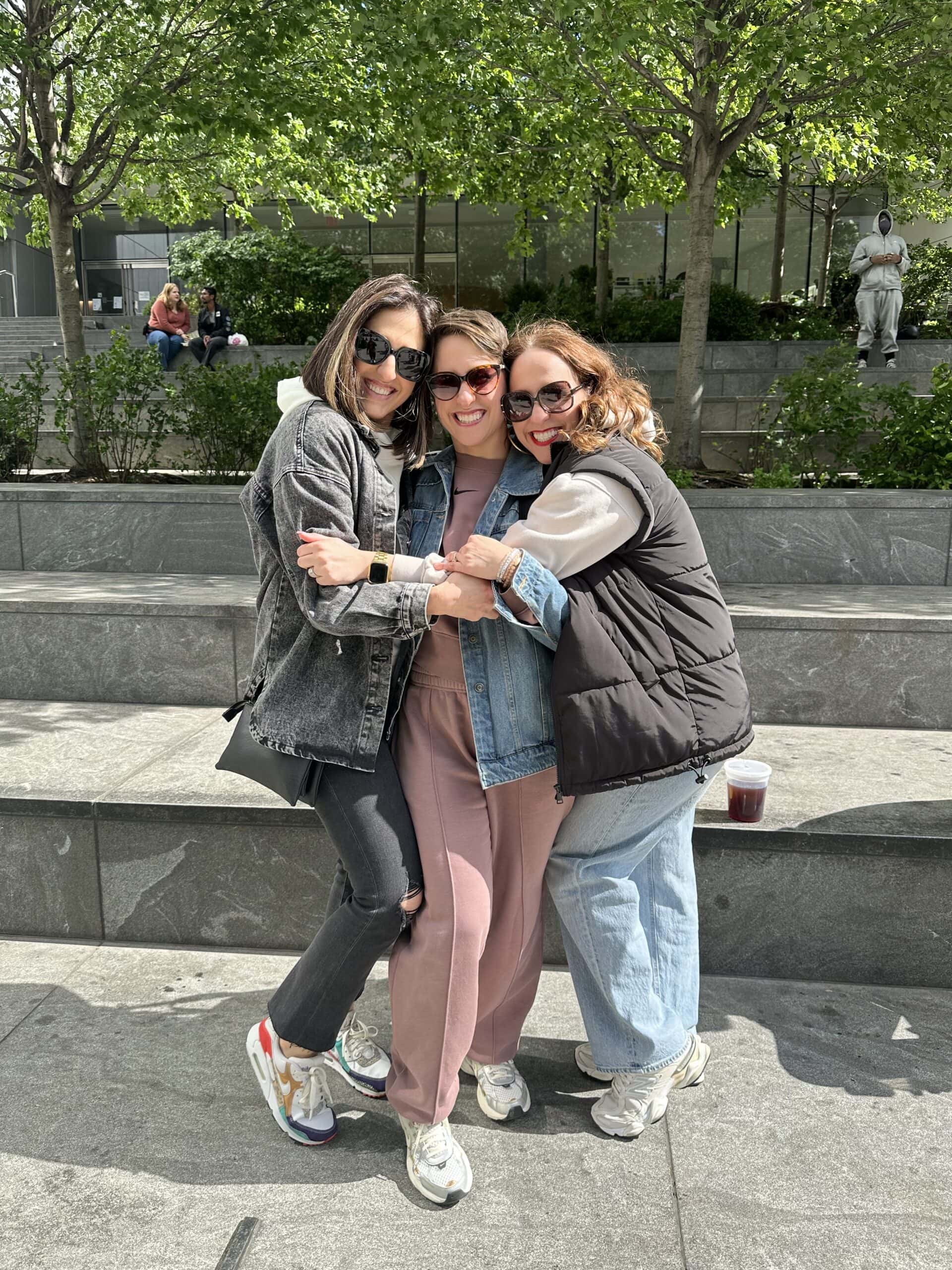
But this time, the information didn’t stop with me. My parents were tested to determine which side of the family the mutation came from, and we learned that my dad carries PALB2. That knowledge gave my sisters the opportunity to get tested as well. My older sister tested positive. My identical twin sister did too. All three of us carry PALB2. What began as my own genetic result became a family discovery.
There was fear in that knowledge. How could there not be? These are people I love. Suddenly, we were having conversations about cancer risks, screenings, surgeries and decisions none of us ever imagined we’d need to make. But there was also power in knowing. One person’s decision to get tested had given an entire family the opportunity to know more about our health and make informed decisions for ourselves.
Motherhood Changed What Risk Meant to Me
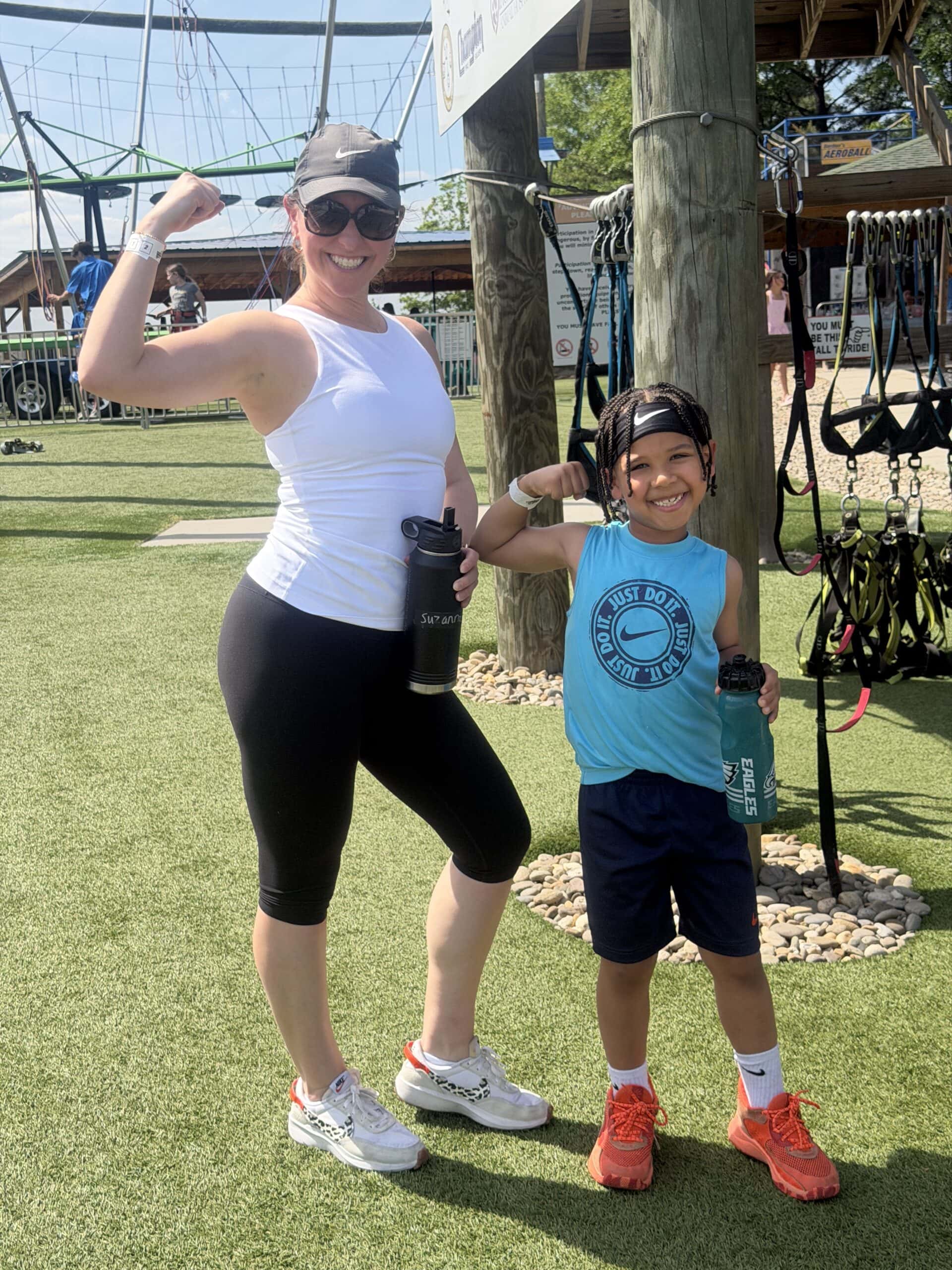
By the time PALB2 entered my story, I was a mother—the very thing I had once fought so hard to become. That changed the way I looked at risk. After everything it had taken to become a mom, I knew one thing with absolute certainty: I wanted to be here.
I wanted to watch my son grow up. I wanted the ordinary days just as much as the milestones—the school mornings, birthdays, sports, conversations in the car and all of the moments you don’t realize are precious until you imagine the possibility of missing them.
Learning that I was PALB2+ didn’t eliminate my fear. I was afraid. There were moments when I wished I could go back to a time when I didn’t know. But I had already learned that fear couldn’t be the thing making my decisions. I couldn’t control the mutation I inherited. I couldn’t predict whether I would ever develop another
cancer. But I could decide what I wanted to do with the information I had been given. For me, that eventually meant choosing proactive, risk-reducing surgeries, including a bilateral mastectomy with DIEP flap reconstruction and removal of my ovaries.
Those decisions were deeply personal. Being proactive wasn’t about believing the worst was going to happen, and it certainly wasn’t about being fearless. For me, it was about doing what I could to protect the life I had fought so hard to build. I want my son to grow up knowing that his mom was afraid sometimes, but she didn’t allow fear to stop her from living or making the choices she believed were right for her.
Three Sisters, One Mutation, Individual Choices
One of the most meaningful parts of this journey has been navigating it alongside my sisters. There is something difficult to describe about learning that both your older sister and your identical twin carry the same hereditary cancer mutation you do. We share DNA. We share history. We share this mutation. But we don’t have to share the same decisions. That has been another important lesson for me about what it means to be a previvor. Knowledge gives us choices. It doesn’t make the choices for us.
Each woman has to consider her own body, her own family, her own circumstances, her own risk tolerance and her own future. My sisters and I can ask questions together. We can share information. We can support each other through difficult moments. But ultimately, each of us gets to decide what being proactive looks like for her.
There is something incredibly empowering about that.
What Being a Previvor Means to Me
For a long time, I thought strength meant having things figured out.
Now I think strength looks very different. Sometimes strength is asking another question. Sometimes it’s admitting you’re scared.
Sometimes it’s making a difficult decision when there is no perfect answer. And sometimes it’s accepting that you cannot control what happens next while trusting yourself enough to move forward anyway. Being a previvor exists in that complicated space.
I am a cervical cancer survivor. And because of PALB2, I am also a breast and ovarian cancer previvor. Those two identities have taught me very different things. Surviving cancer meant responding to a cancer diagnosis that was already in front of me. Being a previvor has meant understanding my inherited cancer risks, looking at what cancer has already done within my family, and making deeply personal decisions about my health before another diagnosis could make those decisions for me.
Knowledge didn’t give me certainty. It gave me agency.
There is an emotional weight to that distinction that can be difficult to explain until you’ve lived it. You can be grateful for the knowledge and overwhelmed by it. Empowered and afraid. Certain about one decision and questioning another. You can know you’ve made the right choice for yourself and still grieve what that choice required of your body. I’ve learned to allow all of those things to be true at once.
The Woman I’m Becoming
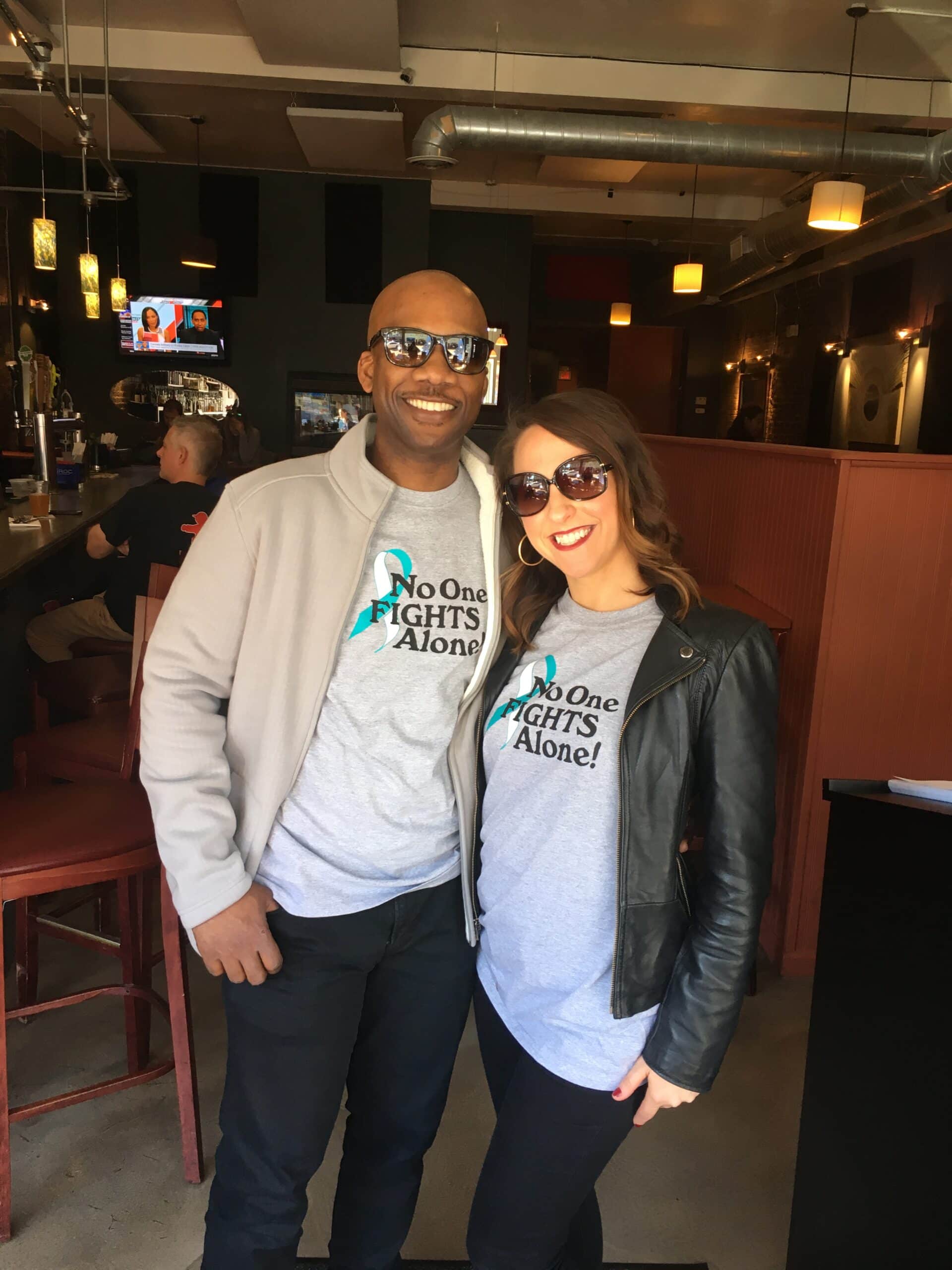
It’s been more than a decade since that 32-year-old woman first heard that the future she had planned might look very different from the one she imagined. When I look back now, I don’t see one breaking moment as much as I see a series of moments that kept asking me to become someone new. Infertility taught me to advocate for myself. Cancer taught me that plans can change in an instant. Unexplained early menopause taught me to keep asking questions. PALB2 taught me the power of knowing. My sisters taught me that we don’t have to navigate hard things alone. Motherhood gave me an even greater reason to be proactive.
And somewhere along the way, I stopped believing that strength meant having complete control. I am still a planner. I still ask questions. I still advocate fiercely for myself and the people I love. But I’m also learning to surrender what I cannot control—to trust the journey, use my voice and embrace the woman I am still becoming. Perhaps that’s why the timing of sharing this story feels especially meaningful.
September 30, 2026 is National Previvor Day.
It will also mark the closing of another enormous chapter in my life: the end of a nearly 20-year corporate career. I can’t help but see meaning in those two moments landing on the same day. For me, it feels like God reminding me that sometimes a chapter can close without the entire story being written yet. For the first time in a long time, I don’t know exactly what comes next. And I’m learning to be okay with that. What I do know is that I want to use my experiences, my voice and everything these past ten years have taught me to help other women feel informed, empowered and less alone. Because behind every genetic mutation is a person, a family, a story and a future. If sharing mine encourages one woman to listen to her body, ask another question, learn her family history, advocate for herself or simply feel less alone in the uncertainty, then every chapter I’ve walked through can serve a purpose.
I cannot control every part of my story. I know that now. But I can choose how I live it. For so long, I thought courage meant knowing what came next. Today, I think it looks more like trusting myself even when I don’t. The life I planned may not be the life I ended up living exactly as I imagined it. But it led me to a life I fought incredibly hard for—and to a woman I’m still discovering, trusting and becoming.
And for the first time, I don’t need to have the rest of the story figured out.
Suzanne Smallwood is a cervical cancer survivor and PALB2 breast and ovarian cancer previvor, mother, educator, coach and advocate. After nearly two decades building a career centered on education, leadership and helping others grow, she is entering a new chapter focused on using her lived experience and voice to help women feel informed, empowered and less alone as they navigate their own health journeys.